
You found the home, and your offer just got accepted. Now comes one of the most important steps in the entire process: the inspection.
Buying a home is one of the largest financial decisions most people will ever make, and a thorough inspection is your best protection against costly surprises. As Jason Gracey, I've walked countless Houston-area buyers through this stage, and I can tell you that what shows up on an inspection report can make or break a deal. A skilled inspector uncovers issues that simply aren't visible during a normal walkthrough, problems that could mean thousands of dollars in repairs or even put the safety of the home at risk.
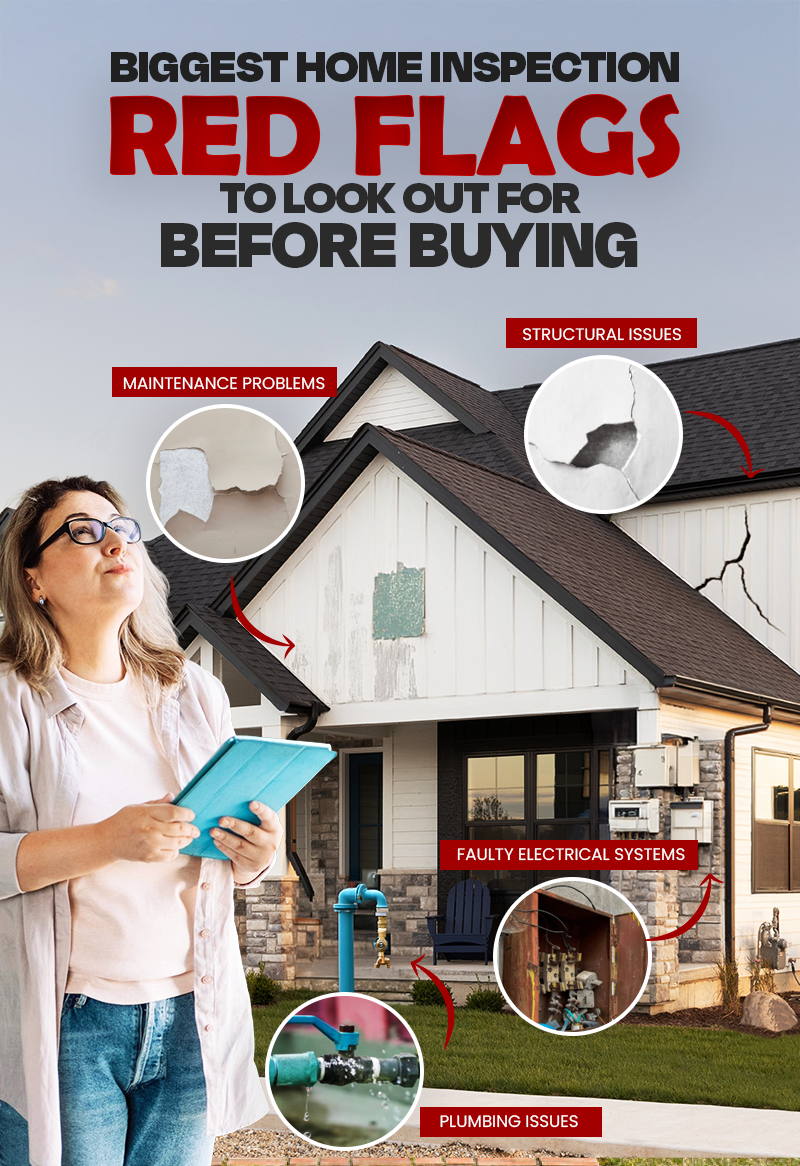
Certain warning signs in an inspection report point to deeper problems, ranging from structural defects to pest activity. Here are the five biggest red flags every Houston-area buyer should understand before moving forward with a purchase.

What foundation issues should Houston home buyers worry about?
The foundation is the structural backbone of any home, and problems here tend to ripple through every other part of the house. This is a particularly important consideration in our market, since the clay soil common throughout Cypress, Katy, and much of northwest Houston naturally expands and contracts with moisture changes, which makes foundation movement a more frequent topic during Houston inspections than in many other parts of the country.
Warning signs to look out for:
Large, horizontal cracks in the walls or floors
Uneven or sloping floors, or floors that incline noticeably along one side
Doors and windows that don't close properly or have visible gaps
Sagging walls or ceilings
Once your inspection report comes back, look closely for language like "cracks in the foundation," "uneven flooring," or "settling." Vertical, hairline cracks are usually minor, but anything wide enough to fit a coin into deserves a closer conversation with your inspector. I always encourage my clients to bring in a foundation specialist for a second opinion whenever the report raises a flag in this area.
Foundation repairs in our area typically run anywhere from $5,000 to $40,000, depending on the severity of the issue. In some cases, the underlying structure of the home may be compromised, which is exactly why a professional foundation assessment matters before you finalize your decision.

Why does water damage matter so much in Houston-area homes?
Water intrusion and drainage problems are another major concern, and one I pay especially close attention to given our region's heavy rainfall and flood zone considerations. Water can warp wood, peel paint, and slowly weaken a home's structure long before the damage becomes obvious.
Warning signs to look out for:
Unsightly brown or yellow water stains on the ceiling and walls
Peeling paint
Bad, musty smells in the basement
Water pooling near the home's foundation
Discovering water stains during an inspection is one of the clearest signs of a potential money pit, since leak repair and water damage remediation can get expensive fast. A history of flooding also raises mold concerns and can compromise foundation integrity over time. It can also make homeowners' insurance more difficult or costly to secure, something every buyer in our flood-conscious market should factor into their decision.

What plumbing problems show up most often in inspection reports?
Plumbing is essential to daily life in a home, yet it's often overlooked until something goes wrong. Most plumbing issues stem from cracked pipes, aging systems, or inadequate water pressure, all of which are common in the older housing stock found throughout the inner loop and many established Houston neighborhoods.
Warning signs to look out for:
Leaks affecting faucets, pipes, and toilets
Low water pressure
Water damage in bathrooms, kitchens, and near foundations
Visible rust or corrosion on exposed pipes
Smaller plumbing repairs, like replacing the mechanism in a running toilet, are usually quick and inexpensive fixes. Larger issues are a different story and can run from $150 to $1,000 or more depending on the scope of the problem. Since plumbing gets used every single day, neglected issues tend to snowball into water damage, mold, and bigger repair bills down the line.

How serious are electrical issues found during a home inspection?
Electrical flaws rank among the most dangerous problems an inspection can uncover. Beyond the cost of repair, faulty wiring is a genuine safety hazard that can lead to house fires, electrical shock, or system failures.
Warning signs to look out for:
Exposed or frayed wires
Burn marks, discoloration, or warmth around outlets and switches
Improper splicing or taped wires from past DIY work
Sparking or buzzing sounds when plugging in appliances
Old fuse boxes or outdated electrical panels
Older homes, particularly those in established communities closer to the inner loop, are more prone to outdated wiring that wasn't built to handle today's appliance loads. If an inspection turns up unsafe electrical conditions, the system may need a full update to meet current code before move-in. Many insurance carriers will also require an electrical inspection before issuing a policy on an older home.
What pest-related red flags should buyers watch for in an inspection report?
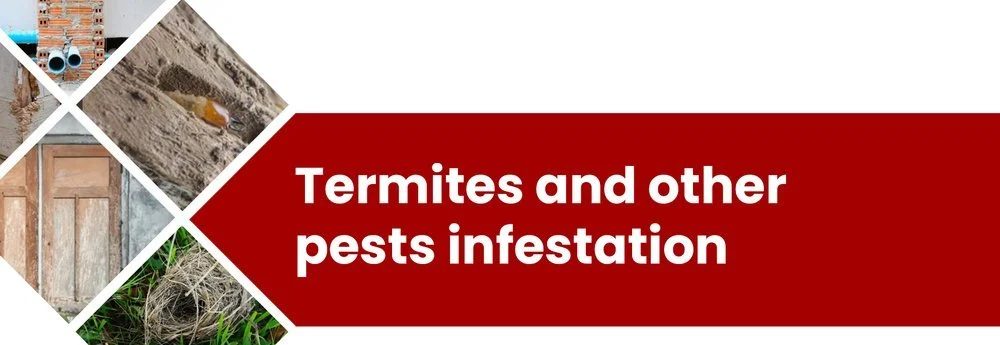
The final red flag to keep an eye on involves termites, mice, carpenter ants, and other pests. Texas's warm, humid climate makes pest pressure a real factor for homes throughout the Houston area, and these issues can cause structural damage, deterioration, and health concerns well beyond the nuisance factor.
Warning signs to look out for:
Chewed vents, gnaw marks, droppings, or nests
Wood that sounds hollow when tapped
Mud tubes running from the foundation to the walls
Crumbling or soft wood near the foundation and attic
Any mention of termite activity in an inspection report deserves immediate attention. These pests are small, but the damage they cause to a home's structure can be significant. Extermination is just the first step; termite damage repair typically runs $3,000 to $4,000 on average, depending on how far the damage has spread.
How should buyers handle red flags found during a home inspection?
When your inspection report turns up major problems, there's no need to panic. You still have options, and this is exactly the kind of moment where having an experienced local agent matters most. I always recommend bringing in licensed specialists for a closer look at anything significant, then working through next steps together. From there, buyers generally have three paths forward:
Negotiate with the seller to cover repairs, especially for safety hazards
Request a price reduction to offset the cost of repairs
Walk away from the deal if the issues are too severe
No home is perfect, and understanding these red flags helps you separate the manageable issues from the true deal-breakers. Where that line falls depends on your timeline, your financial picture, and your own risk tolerance.
As Jason Gracey and the team at Great Houston Properties, we help buyers throughout Cypress, Katy, The Woodlands, Conroe, Fulshear, and the greater Houston area navigate every step of the inspection process with confidence. If you're getting ready to make an offer or you're already under contract and want a second set of eyes on your inspection report, reach out anytime at (832) 541-5060.