
Boxes stacked to the ceiling. Furniture wrapped in moving blankets taking up half the living room. Bags of kitchen items that somehow ended up in the bedroom. Whether you're settling into a new home in Cypress, making the move to The Woodlands, or landing somewhere in Katy or Conroe, the moment the moving truck pulls away, the real work begins — and it can feel like a lot.
Moving into a new home is genuinely exciting. You've made a major decision, closed the chapter on your last place, and you're ready to start fresh. But that energy can fade quickly once you're standing in a sea of unlabeled boxes with no idea where to start. The good news is that unpacking doesn't have to feel chaotic. With a little planning and a clear approach, you can get settled comfortably — and faster than you'd expect.
As a Houston-area real estate broker, I've worked with buyers across the northwest Houston suburbs and inner loop neighborhoods, and I always tell my clients: the move itself is one step, but settling in is the part that makes a house feel like home. These seven steps will help you get there.

What should I pack in my moving essentials box?
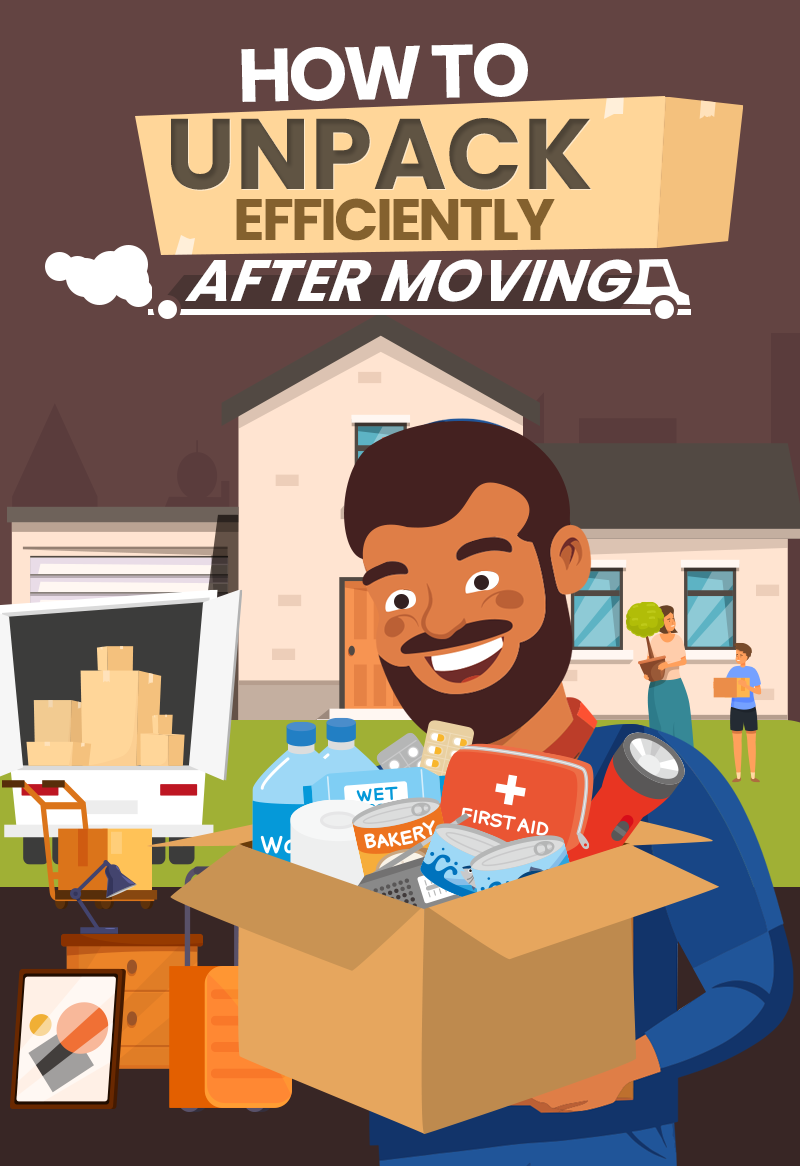
Before you do anything else, find your essentials box — or what I call your "Day 1 bag." Hopefully, you had the foresight to pack this before the movers arrived. This box should travel with you, not on the truck, and it should contain everything you need to get through the first night and morning without digging through a single other box.
What belongs in it: toiletries and medications, phone and laptop chargers, basic bedding and towels, toilet paper, a trash bag, a few snacks, and simple kitchen tools like a coffee mug, a bowl, and a spoon. Toss in scissors, a box cutter or two, and a few markers as well, because you'll reach for those constantly as you start unpacking.
Houston summers are no joke, and if you've moved in July or August, the last thing you want is to tear through thirty boxes looking for your deodorant after a long, sweaty moving day. Getting these basics within arm's reach gives you a comfortable first night no matter how exhausted you are, and it frees up your focus so you can tackle everything else with a clear head in the days ahead.

What's the best way to organize boxes when you first move in?
Once you have your essentials sorted, the next move is straightforward: get each box into the room where it belongs before you start opening anything. If your boxes were labeled well during packing, this step saves you a tremendous amount of time and back pain later.
Whether you hired professional movers or enlisted family and friends to help with the truck, take a few minutes before unloading begins to walk everyone through the layout of the house and ask them to place each box in its designated room. It sounds simple, but this one step prevents you from moving heavy boxes more than once and keeps the whole process from devolving into a pile in the middle of your living room.
For buyers moving into master-planned communities in Katy, Fulshear, or Conroe where homes often have generous square footage, getting organized by room from the start makes a much bigger difference than it might in a smaller space. The more rooms you have, the more valuable a clear system becomes.

Should I arrange furniture before or after unpacking boxes?
Large furniture pieces should come before boxes, with one important exception. If you moved your furniture from your previous home, position it first — before the room fills up with boxes and you lose the ability to maneuver. Beds, sofas, dining tables, and desks define how a room functions, and placing them while the room is still open makes the process far less frustrating.
The exception: items that require significant assembly, such as bookcases, entertainment centers, or full bedroom sets with multiple components. Don't burn time and energy assembling something on night one if you're not even certain of its final placement. Focus on getting sleeping spaces functional and the kitchen operational, then come back to the heavier assembly work once you've had a chance to live in the space for a day or two and confirm where everything will land.
Buyers who are purchasing new construction in communities like Bridgeland in Cypress or Woodforest in Montgomery often have larger rooms and open floor plans that give you more flexibility — but more flexibility also means more decisions. Let function guide placement first, and you can always refine the layout once you're settled.

What rooms should I unpack first after moving?
The answer most people get right is also the order that causes the least amount of stress: kitchen first, then bathrooms, then bedrooms. Tackle each one completely before moving on to the next. Partially unpacked rooms in four different spaces create a feeling of chaos that works against you — whereas one fully functional room at a time gives you momentum and a sense of control.
Kitchen
The kitchen is where you start, because food and a functioning sink matter from day one. You don't need to unpack every piece of cookware or track down the serving platter on move-in night, but you do want to establish the basics that will let you prepare a simple meal without resorting to delivery every night.
Prioritize glasses and mugs, everyday dishware, flatware, a good chef's knife and chopping board, basic cookware like a pot and a pan, a small appliance or two (your coffee maker, if nothing else), and cleaning supplies. Get the everyday items in accessible cabinets and hold off on specialty cookware and bakeware until the rest of the house is under control.
Bathroom
Bathroom setup is relatively quick once the water is on, which it should be before your move-in day. Unpack towels, toiletries, medications, and personal care products. Hang the shower curtain, lay down a bath mat, and you're done. This room can typically be fully functional within the first hour.
Bedroom
Getting the bed set up is the single most important task of move-in day. Whether you're assembling a bed frame, setting up a platform, or simply unrolling a foam mattress, prioritize this above almost everything else. Once the mattress is in place, making the bed takes a few minutes and gives you a real place to recover at the end of the day.
For nightstand essentials — a lamp, phone charger, and a glass of water — unpack just enough to make the space feel functional. Closets and dressers can wait. Pull out a few days' worth of clothes, your shoes, and the basics, and leave the full wardrobe unpacking for later in the week.

When should I unpack the garage, guest rooms, and secondary spaces?
Once your kitchen, bathrooms, and bedrooms are functional, you've accomplished the core goal: your home is liveable. Secondary spaces like the garage, a home office, guest bedrooms, and outdoor areas like a patio or back porch can wait until the primary rooms are settled.
For the garage, start with anything you'll need to maintain the home — basic tools, yard equipment, or anything that keeps the house running day to day. Patio and outdoor furniture can be set up at your convenience. In Houston, where outdoor living is year-round and backyard grills see regular use even in fall and winter, getting the outdoor space set up a little sooner might move higher on your list than it would somewhere with a shorter season.
If you work from home, a home office belongs in the priority tier with the rest of your essential spaces rather than being treated as secondary. Getting your workspace functional early keeps your productivity intact and prevents unnecessary disruption to your routine during the transition.

How do I keep the clutter under control while unpacking?
Packing materials multiply fast. As you empty boxes, the pile of cardboard, bubble wrap, and packing paper can grow quickly enough to feel like a second move is happening in reverse. Getting ahead of this is easier than cleaning it up all at once later.
Flatten boxes as you empty them and stack them in one consistent spot — outdoors, in the garage, or in a room you haven't started on yet. Decide early whether you'll recycle them, keep a few for storage, or pass them along to someone else who's moving. Consolidate bubble wrap and padding materials into bags so they're contained rather than spread across every room.
If you're short on time or energy during the first few days, it's perfectly fine to designate one underused room or a corner of the garage as a temporary staging area for packing materials. Getting them out of your main living spaces reduces visual noise and makes the rest of the unpacking feel more manageable.

How long should it realistically take to unpack after a move?
There's no deadline. The most important thing to remember throughout this whole process is that unpacking a home — a real home, one where people actually live and things go in the right places — takes time, and that's okay.
Work through a few boxes each day, take breaks, and let yourself enjoy the process of discovering how your furniture and belongings fit your new space. Hang pictures, put out the things that make it feel like yours, and let the rooms come together at a pace that works for your family and your schedule. Celebrate the milestones — the first meal cooked in the new kitchen, the first night of real sleep, the moment the living room finally looks the way you imagined.
Moving into a new home is a big deal. Whether you've just closed on your first home in Spring, relocated to a larger home in The Woodlands, or made a lifestyle move out to Fulshear or Sealy, settling in takes intention. Give yourself the grace to do it well.
If you're planning a move anywhere in the greater Houston area — from Cypress and Katy to Conroe, The Woodlands, or the inner loop — I'm Jason Gracey with Great Houston Properties, and I'd love to help you find the right home to move into in the first place. Reach out at (832) 541-5060 or visit greathoustonproperties.com.