One of the most stressful moments in a real estate transaction is also one of the most preventable: getting to closing day and realizing you didn't fully understand how much money you needed to bring. I've walked through this with buyers across Cypress, Katy, The Woodlands, Conroe, Fulshear, and the inner loop neighborhoods of Houston — and every time, the ones who feel most confident at the closing table are the ones who understood their "cash to close" number well in advance.
Let me break it down clearly so you're not caught off guard.
What Does “Cash to Close” Mean in a Home Purchase?
Cash to close — sometimes called "funds to close" — is the total amount of money you need to bring to the closing table on the day you officially become a homeowner. It is not just your down payment. It is the complete sum: down payment plus closing costs, prepaid expenses, and any escrow deposits, minus any credits, earnest money, or fees you've already paid.
Think of it as the final tally — everything added up, everything already paid subtracted out — and what's left is what you owe on closing day.
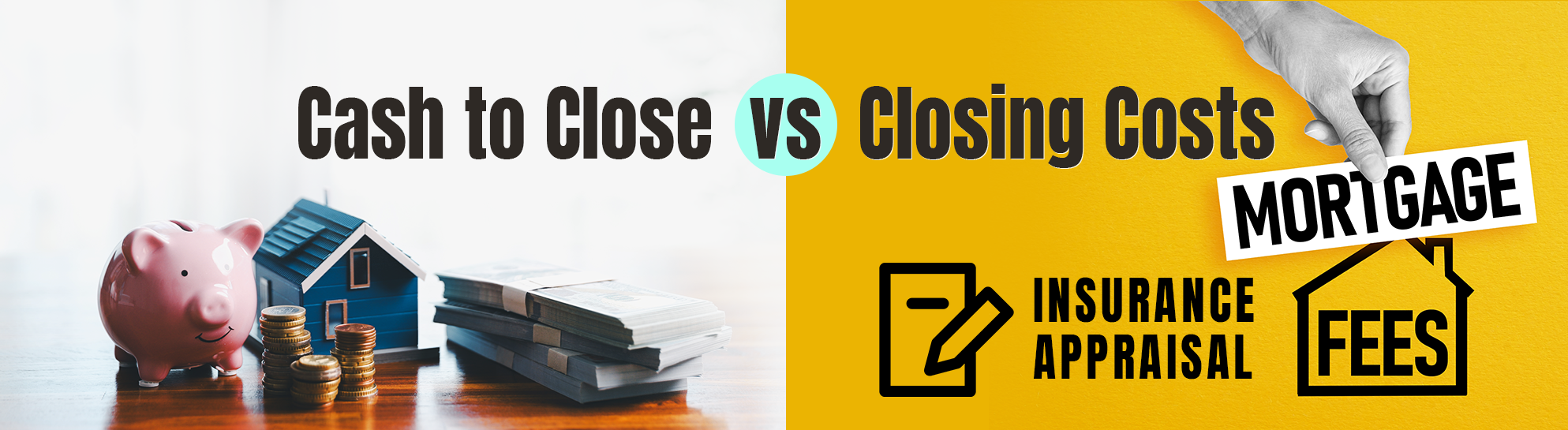
To put it plainly: closing costs are one part of your cash to close. Not the whole picutre.
What Makes Up Your Cash to Close in Houston?
Here's a breakdown of the four main components:
1. Down Payment
This is almost always the largest piece. Conventional loans typically require 3%–20% down. FHA loans can be as low as 3.5%. VA and USDA loans — which are available to eligible buyers — may allow zero down payment. The right loan product for your situation is worth exploring early, especially if you're a first-time buyer or relocating to the Houston area.
2. Closing Costs
In addition to title and lender fees, Houston-area buyers should pay close attention to a few local-specific line items:
HOA transfer and setup fees are common in communities like Bridgeland, Cinco Ranch, Woodforest, and throughout The Woodlands. These can range from a few hundred to over a thousand dollars depending on the community.
Flood elevation certificates and related costs may come up depending on where you're buying. In Harris County and the surrounding areas, flood zone status can affect both your costs at closing and your ongoing insurance premiums — something every buyer in our market needs to understand before they close.
3. Prepaid Expenses
These are expenses paid upfront to cover costs you'll owe soon after moving in — and they vary based on your specific property, your lender, and when in the year you close. Typical prepaids include your first year of homeowners' insurance, a portion of your property taxes deposited into escrow, prepaid mortgage interest, and any HOA dues the seller may have already paid through the end of a billing cycle.
One Houston-specific note: homeowners' insurance premiums here tend to be higher than the national average due to our weather exposure. Factor that in when estimating your prepaids.
4. Credits and Deposits That Reduce Your Total
Any earnest money you paid when your offer was accepted will be applied toward your total cash to close. Seller credits — which can sometimes be negotiated as part of your offer — reduce your out-of-pocket costs as well. Keep records of everything you've paid along the way so your lender can account for it properly.
How Is Your Cash to Close Amount Calculated?
Most lenders use this simple formula:
Cash to Close = Down payment + Closing costs + Prepaid expenses − Credits and deposits
Three business days before your closing date, your lender is required to provide you with a Closing Disclosure — a document that details every cost, every credit, and gives you the exact cash to close figure. Review it carefully. Compare it to your original Loan Estimate. If anything looks different or unclear, ask your lender and your agent before you arrive at the closing table.
What Should Houston Home Buyers Know Before Closing Day?
When I work with buyers at Great Houston Properties — whether they're purchasing in Cypress, Katy, Fulshear, The Woodlands, or an inner loop neighborhood like the Heights or Memorial — there are a few things I always make sure they know before we get to closing:
Your cash to close must come from a verified, traceable source. Large deposits to your bank account close to closing can trigger underwriting questions and delays. Talk to your lender early about where your funds are coming from.
Wire transfer fraud is real. Always verify wire instructions directly with your title company by phone before sending any funds. This is a serious concern in Texas real estate and one I remind every buyer about.
Bring a cashier's check or arrange a wire — personal checks are not accepted at closing.
The Bottom Line for Home Buyers in Houston
Understanding your cash to close before you get to the table isn't just helpful — it's essential. In our market, where HOA communities, flood considerations, and insurance costs add layers that buyers in other parts of the country don't always face, working with an agent who walks you through every number makes a real difference.
At Great Houston Properties, Jason Gracey works with buyers across the northwest Houston quadrant — from The Woodlands and Conroe south through Cypress and Katy, out to Fulshear and Sealy, and into inner loop Houston — to make sure closing day is a celebration, not a surprise.
If you have questions about buying a home in the Greater Houston area and want to understand the full picture before you make a move, reach out to Jason Gracey at Great Houston Properties. That's exactly what we're here for.